Etl
44 articles tagged with "Etl"

30 Snowflake Interview Questions for Data Engineers
Core Snowflake interview topics: architecture, warehouses, recovery, loading, and security — emphasize trade-offs in cost, speed, and risk.
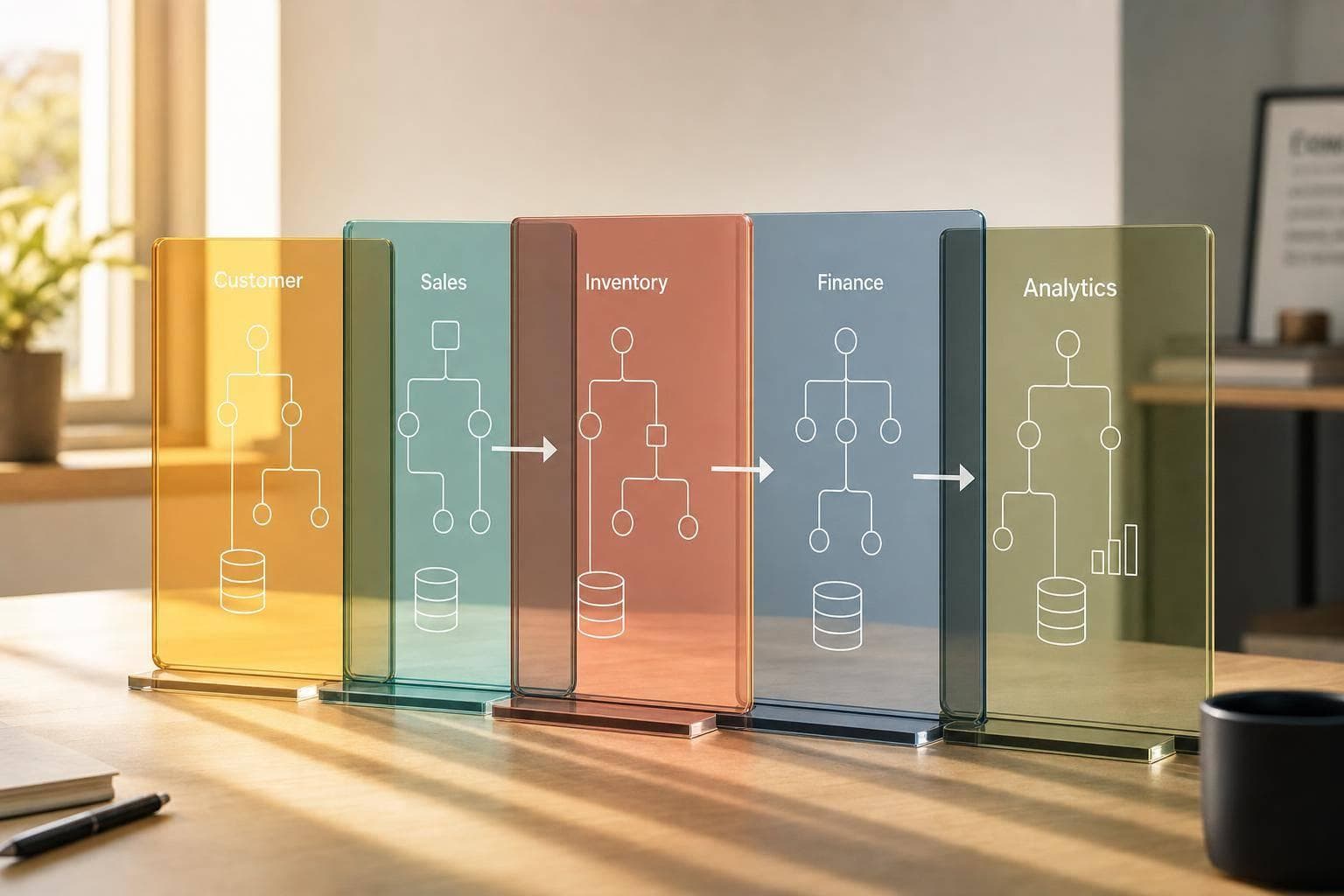
How to Use Context Mapping for Data Architecture
Map bounded contexts, classify relationships, and choose integration patterns to reduce rework, schema drift, and pipeline breakage.

How CQRS Works with Event Sourcing
Commands change state, events record facts, and projections build read models—covers aggregates, snapshots, concurrency, and replay.
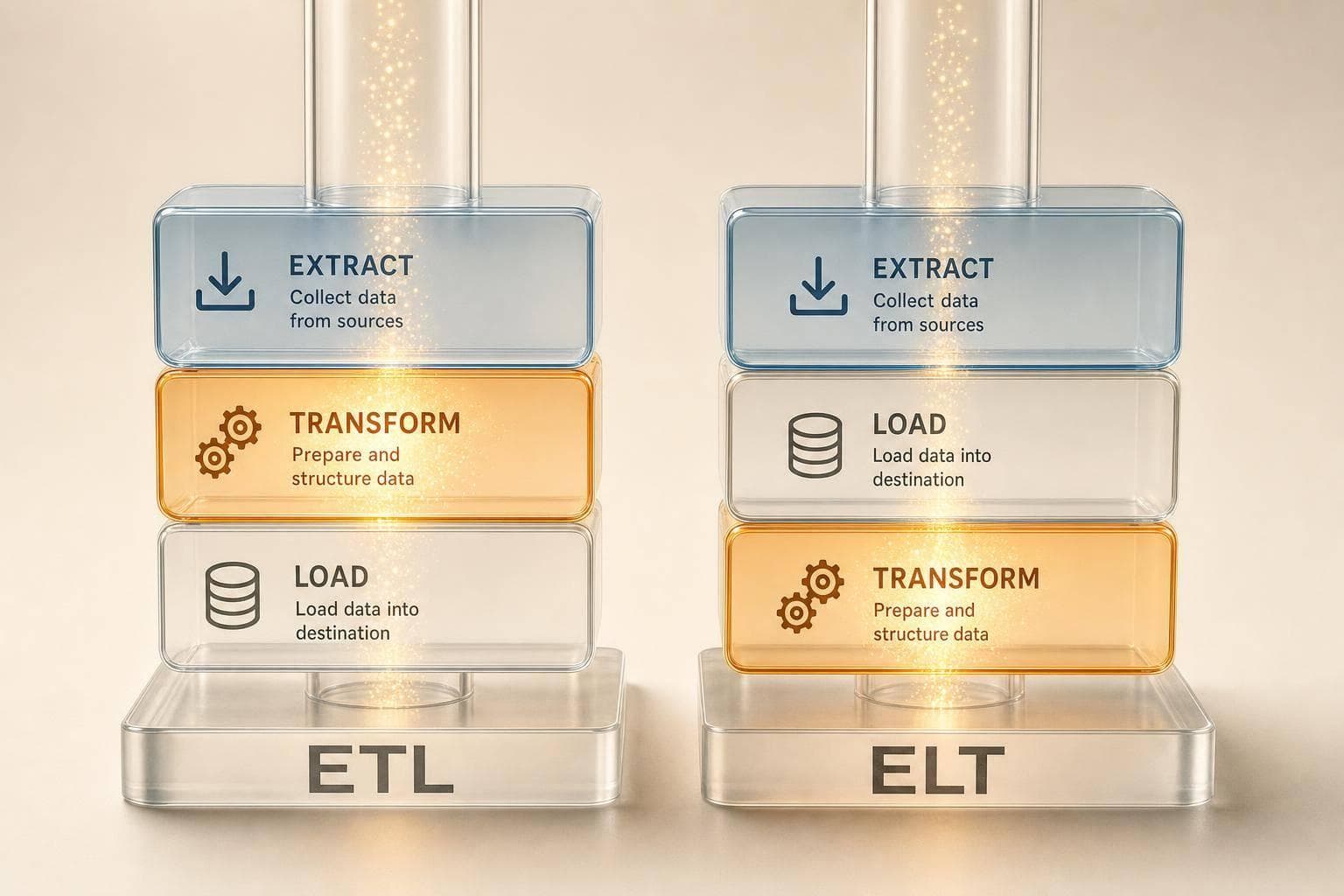
ETL vs ELT: Pros, Cons, and Use Cases
Quickly compare ETL and ELT: when to transform data, plus trade-offs in cost, security, scalability, and use cases.
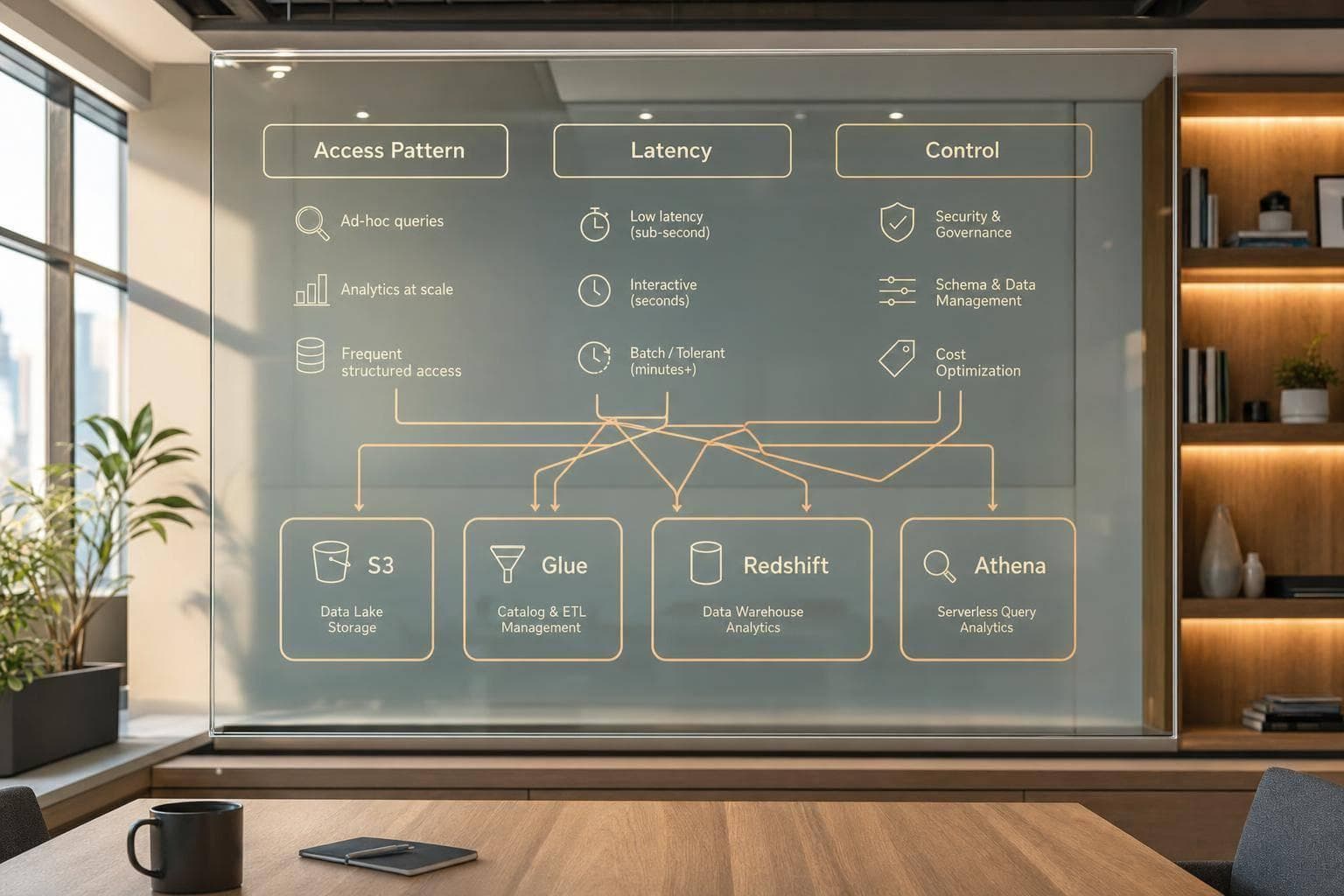
AWS Data Engineer Practice Questions Explained
Matching AWS services to workload beats memorization—use access pattern, latency, and control to choose S3, Glue, Redshift, or Athena.

ETL Pipeline Benchmarking: Metrics to Track
Measuring the right ETL metrics—throughput, freshness, quality, cost, and scalability—prevents silent failures and runaway cloud spend.

How to Tune Concurrency in Apache Airflow
Tune Airflow concurrency across global, DAG, task, and executor levels using pools, metrics, and incremental tests to remove scheduling bottlenecks.

Databricks ETL Optimization for Petabyte Data
Guide to tuning Databricks for petabyte ETL: cluster sizing, Delta Lake layout, Auto Loader, AQE, and predictive optimization.

Snowflake Bottlenecks: Troubleshooting Tips
Query design, not warehouse size, is often the real reason Snowflake slows; profile queries, reduce I/O, optimize loads, and right-size resources.

How Airflow Supports Analytics Monitoring
Setup and monitor analytics pipelines with Airflow: UI views, logs, alerts, Prometheus/Grafana, and best practices for reliability.

How Airflow Enhances Bootcamp Learning
Covers Airflow setup, DAG best practices, dbt/Snowflake integrations, and capstone projects for bootcamp learners.

Hive Query Optimization Questions Explained
Practical Hive optimization: partitioning, bucketing, compression, Tez, vectorized execution and CBO to speed queries and cut storage and compute costs.